



Genesis
Project Short Decscription
Origin and beginnings ...
1913 – 1916
Project Details
- Date:Sunday, February 1, 2015
- Categories:
Project Decscription
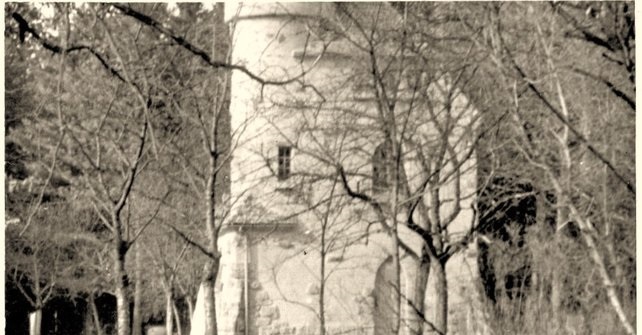
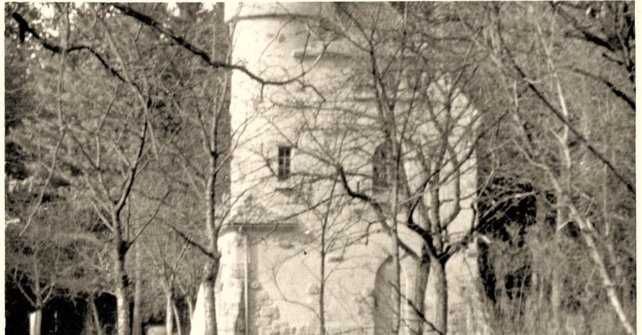
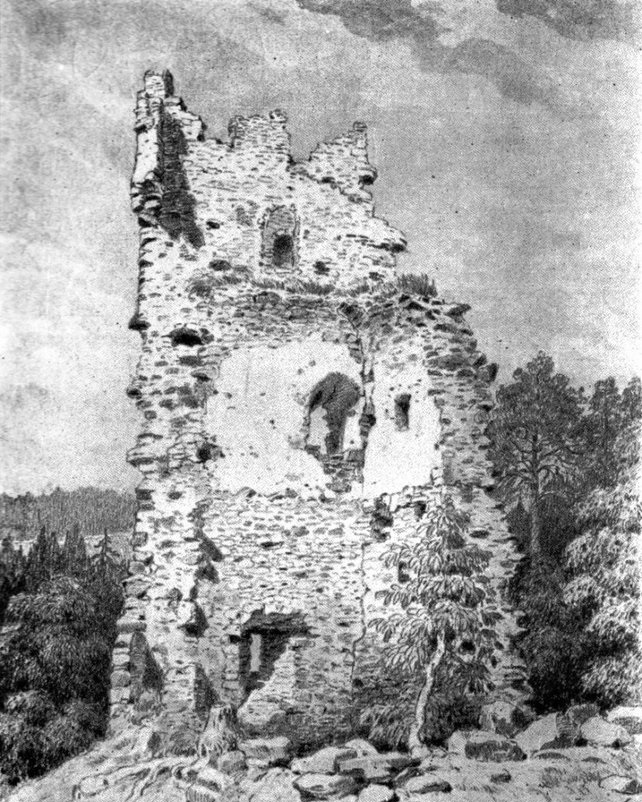
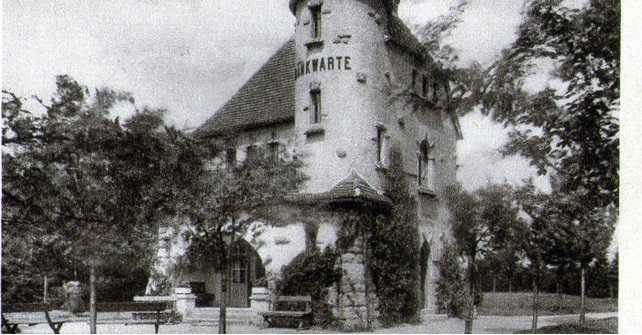
On April 16, 1916, a small building with a lookout tower was ceremoniously opened to the public in Wiedermann Park (today's Peace Park). It was intended to be a permanent memorial to the activities of the Františkovy Lázně Beautification Society and, at the same time, a significant expression of gratitude to all its supporters and patrons. In his opening speech, the acting chairman of the association, Councilor Franz Köppl, highlighted all the significant achievements through which the association had contributed to the improvement of the spa town's surroundings during its more than thirty years of existence. And he really had something to be proud of. When the beautification association celebrated its thirtieth anniversary in May 1911, its then chairman, Gustav Wiedermann, was able to report that the association had purchased 51 plots of land covering almost 40 hectares in the immediate vicinity of the spa for 109,925 crowns and planted 600,000 trees, shrubs, and ornamental plants on the association's land and another 15 hectares of municipal land. He paid 134,113 crowns for the beautification and maintenance of these grounds. A brief but impressive balance sheet. The Planting and Beautification Association in the spa town of Františkovy Lázně was officially approved under this name in May 1881, but it all began in 1878, when a young architect named Gustav Wiedermann published a series of articles in a Cheb newspaper about Františkovy Lázně and the need to "change the monotonous area around the spa." At that time, the landscape around the town was almost as unattractive and bleak as it is today. With one difference. It was without trees and shade. Similar to today's overgrown and unkempt forest park, it did not attract spa guests for walks at that time, nor did it bring joy from the nature around us. In response to the call of the preparatory committee in June 1880, which called on all citizens of the town to work together to improve the area, 81 members signed up. In its second year of operation, the association already had 122 regular paying members and spent a third of its annual budget of almost 3,000 gold coins on afforestation of 15 hectares of municipal land with pastures and a municipal forest later known simply as Amerika, as it was an area rediscovered by the town. In 1899, the town decided to build a picnic café here, and from 1901 onwards, an omnibus regularly brought spa guests from the town to this beautifully landscaped forest park. The beautification association gradually became the most important and active civic association for improving and enhancing life in the spa. Most of the monuments, new walking paths, and park improvements were created on its initiative. In addition to the ongoing care of the western outskirts of the town, between 1895 and 1899 it transformed the area between the Forest and Iron Springs into a new park, which was renamed Franz Joseph Park after 1900. Archduchess Stephanie Park was then created behind the Salt and Meadow Spring Colonnades. In 1900, the initiator of the founding of the beautification association, and since 1889 also its chairman, architect Wiedermann, was elected mayor of the spa. During his ten years as mayor, Imperial Councilor Gustav Wiedermann became one of the best and most capable regional politicians in the Cheb region. All this was reflected above all in the prosperity of his hometown. The purchase of private spas for the town and the acquisition of all Cheb property in the spa area are among his most significant achievements in a list of many other successful activities. It was for these reasons that he was rightly named the creator of modern Františkovy Lázně. As chairman of the beautification association, he succeeded in completing the main task that generations had dreamed of, namely to surround the spa with a continuous green belt of forest park. From 1900 onwards, the association began systematically buying up land in the northeastern part behind the railway line, which belonged to Horní Ves in the cadastral register and was at risk of being built on. By 1911, thanks to large donations from several patrons, the association owned 22 hectares of land here and built a new park called the Hornoveský areál. At Wiedermann's suggestion, it was decided in 1913 to build here ... The text continues, and if you are interested in the entire unique history, visit the social event "Heritage Trail."
Ph.Dr. Jaromír Bohác - Františkolázeňské listy
Related Projects
A. CLUB RESTAURANT
German
A. CLUB RESTAURANT
English
A. CLUB RESTAURANT
Czech
Hochzeiten & Events
German
SVATBY & OSLAVY
Czech
Weddings & Events
English
Legend
English

HISTORY
English

CAFE NOSTALGIE
English
Legende
German


CAFE NOSTALGIE
German
Geschichte
German
генезис
Russian
Entstehung
German
HISTORIE
Czech
KAVÁRNA NOSTALGIE
Czech
Vznik
Czech
Legenda
Czech